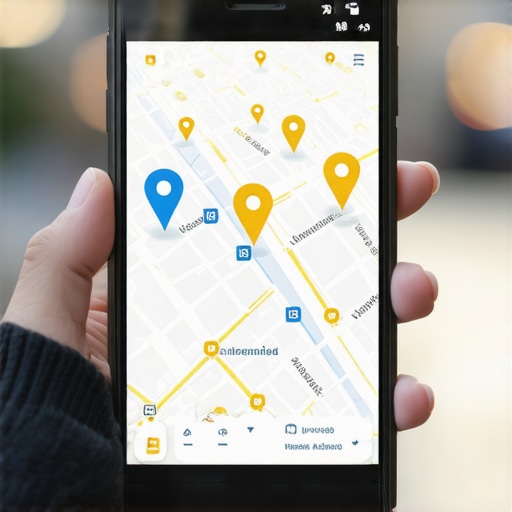
Why Your Competitor Ranks Higher With Half the Reviews
Your local competitor dominates the Google Map Pack because review count is only a superficial metric; algorithmic ranking relies on physical proximity, user behavioral patterns, matching category depth, and structural website authority. Many business owners assume that gathering hundreds of stars secures top placement, but hidden regional calculations weigh location context and brand trust above raw volume. A business with ten highly contextual, location-verified reviews frequently outranks a listing with a hundred generic ratings lacking physical proof.
“Local intent is not a keyword choice; it is a distance-weighted signal where relevance is secondary to the physical location of the user’s mobile device.” – Map Search Fundamental
I spent three months fighting a hard suspension for a plumbing client whose listing was nuked simply because they shared a suite number with a defunct law firm. Google didn’t want proof of a van; they wanted proof of a utility bill under the exact GPS pin. That brutal situation taught me that Google’s algorithm values verification and absolute geographic accuracy over review count. When a competitor ranks above you with half the feedback, they have mastered proximity math, localized brand signals, and correct data structure.
The hidden geometry of the local map centroid
The geographic centroid of a city serves as the mathematical starting point for local search results, and your proximity to this point dramatically shapes visibility. Google calculates the physical distance between the searcher and your verified address, establishing a search radius. If your competitor sits precisely within a high-density demand cluster, their proximity score overrides your vast review portfolio. The algorithm values distance first to deliver immediate physical convenience to mobile users. Understanding this spatial math helps you see why arbitrary citation blasts fail to move the needle.
Your service area boundaries also affect how the search engine gauges your geographical relevance. If you have defined a region that is too expansive, the algorithm may dilute your ranking power near your core physical address. Businesses struggling with this can implement is your service area too large a quick fix for missing map rankings to restore localized relevance and regain visibility. When you limit your active service area to matching your real-world dispatch capacity, you stop confusing the ranking system.
Furthermore, hiding your physical address on your profile can trigger immediate fluctuations in local rankings. Many service-oriented business owners hide their storefront details to prevent walk-ins, only to find their map visibility drops. For detailed help on reversing this specific issue, explore the traffic drop after hiding your address here is the recovery plan. This guide clarifies how to re-establish geographic relevance without exposing private details.
How behavioral signals and user interaction trump review volume
User engagement signals like driving direction requests, direct telephone clicks, and listing dwell time prove real-world business popularity to search systems. When searchers click a business listing, zoom in on the map, and immediately request directions, Google notes high-quality user utility. This organic interaction shows the business is trusted and active. A listing with fewer reviews that consistently drives direction requests will steadily outrank a stagnant profile holding hundreds of passive, older reviews.
Malicious competitor actions can also artificially alter these delicate behavioral metrics. If you suspect competitors are using automated systems to inflate their rankings or disrupt yours, you must know how to spot the signs. Read more about is your competitor sabotaging you how to detect gmb spam attacks to identify anomalous user patterns on your profile. Detecting these attacks early allows you to protect your organic engagement metrics from manipulation.
Understanding what happens behind the scenes of your profile interactions is vital for long-term growth. Many operators focus entirely on rankings while completely ignoring how traffic translates into actual conversions. You can discover the truth in what your profile manager isnt telling you about map roi, which details how to measure real calls and visits rather than superficial rank tracking metrics.
The technical link between website authority and map pack rankings
Your primary website serves as the foundation of trust for your Google Business Profile, feeding essential context directly to local search crawlers. When a search engine scans your landing pages, it matches your name, address, and phone number with your map listing. It evaluates page load speed, mobile navigation, structured data, and local backlink authority. If your underlying site is plagued by broken links, crawl errors, or slow speeds, your map rankings will suffer regardless of your review count.
Broken links and improper page setups can silently damage your local ranking signals. When Google encounters dead ends on your site, it loses trust in your digital presence. To fix these underlying issues, check out our guide on how to find and fix 404 errors on your multi-location site. Eliminating these crawl errors ensures that search engines can easily index your local landing pages.
Redesigning a site without protecting your URL structure can also cause your map presence to collapse. If you recently updated your web design and saw a sudden drop in map rankings, you may have severed vital link equity. Learn how to diagnose this problem by reading why your maps ranking tanked after a website redesign to recover your organic authority.
Local Authority Reading List:
1. Learn about suspension recovery: recovering visibility how to reclaim clicks after a partial suspension
2. Avoid redirect spam: the redirect mistake that makes your business look like spam
3. Recover from unfair suspensions: the recovery protocol for unfair google business profile suspensions
4. Fix underlying blog issues: the technical reason your local business blog isnt helping rankings
5. Secure your profile settings: how to secure your listing from unauthorized changes
The silent threat of competitor spam and keyword manipulation
Competitors often bypass guidelines by stuffing keywords into their business names or creating fake listings to intercept local leads. This grey-hat manipulation temporarily tricks the algorithm into viewing them as highly relevant for specific search terms. If your clean, legitimate business name is competing with a keyword-stuffed profile, they will often rank higher despite having fewer reviews. Fighting this map spam is necessary to protect your market share.
Identifying and systematically reporting these spam listings can level the playing field. Many businesses tolerate local spam simply because they do not know how to submit a successful complaint. To clean up your local market, utilize the gmb spam fight how to report competitors who cheat the pack. Removing fake listings immediately elevates your legitimate map profile.
“Local justification algorithms look past raw business names to evaluate if real user behavior supports the listing’s claims of physical presence.” – Map Search Fundamental
Sometimes, competitor spam goes beyond simple keyword stuffing to active reputation attacks. If your listing has been targeted with sudden negative feedback, you must act quickly. Read about how to recover from a negative seo attack on your local listing to secure your reputation and rebuild your map authority.
Aligning your physical data to eliminate search engine confusion
Inconsistent business listings, mismatched phone numbers, and outdated addresses across the web destroy search engine trust in your physical existence. When Google crawls third-party directories and finds conflicting information, it loses confidence in your business location. This confusion results in lower map rankings. Resolving these mismatches is a fundamental step in optimizing your local search footprint.
If you have moved locations or changed phone numbers, you might have left a messy trail of old data. To fix these issues, refer to the nap nightmare how we fixed messy business data in record time. Correcting this citation data establishes a solid foundation for your local search campaigns.
Similarly, using call tracking numbers incorrectly can dilute your local relevance if Google cannot tie them back to your main business entity. Understand the risks by exploring why your call tracking numbers might be hurting your local rank. Correct phone configurations ensure you get accurate tracking data without losing map ranking power.
Rebuilding trust after suspensions or platform penalties
Recovering from a profile suspension requires clear physical proof of your business operations and meticulous adherence to platform guidelines. If your listing was flagged due to a virtual office address or a sudden change in categories, you must rebuild trust with the platform. This involves submitting utility bills, official registration documents, and video evidence of your physical workplace.
Working out of a shared space can often trigger algorithmic filters that flag your listing. If you are struggling with address verification, you can read how to verify your physical address when google requests video for a clear path forward. This step-by-step approach helps you navigate the stringent video verification process smoothly.
Once your profile is back online, you must stabilize your local presence to prevent future ranking drops. Minor edits can sometimes trigger secondary reviews. Learn how to manage updates safely in stabilizing your maps presence after a major profile update to ensure your business remains visible and secure.